The $5 Autopay Bribe: When Saving a Little Costs You the Right to Fight Back
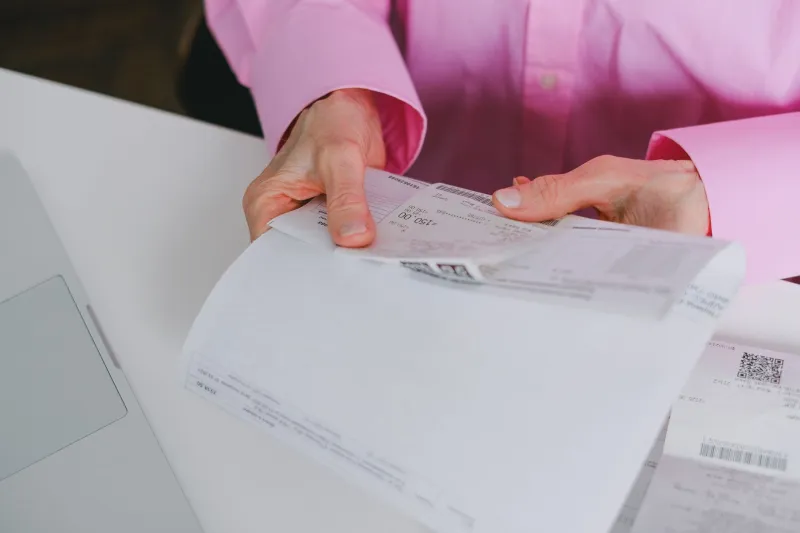
Five dollars a month. Sixty bucks a year. That's the standard autopay carrot dangled by insurers, internet providers, gyms, and just about anyone who wants your routing number on file. It reads like found money.
It isn't free. You're paying for it with something the biller values more than $5: direct, recurring, pre-authorized access to your checking account — and a quieter exit from the dispute process you'd otherwise have.
What you're actually handing over
When you pay a bill with a credit card, you're covered by the Fair Credit Billing Act. You generally have 60 days from the statement to dispute a charge for something you never received, something that arrived broken, or a number that doesn't match what you agreed to. The card issuer fights the merchant. You watch.
When you authorize an ACH debit, you've signed a document that says: yes, take this amount, on this schedule. Reg E still gives you error-resolution rights, and banks do investigate. But the merchant is holding your signed authorization, and the argument shifts from 'you didn't deliver' to 'you authorized it.' That's a much worse starting position.
Running the actual numbers
Let's do the break-even the way you'd do it for any other financial decision.
Say the discount is $5 a month — $60 a year. Now price one bad draft:
- Bank overdraft fee: $30 to $35
- Biller's returned-payment fee: $25 to $40 (yes, they charge you for their own failed collection)
- Late fee on top of that: $10 to $25
- Cascading damage if the draft lands the day before rent clears
One mistimed pull runs $75 to $100. So the entire annual benefit evaporates the first time a draft hits a low balance. If your account routinely sits under a few hundred dollars before payday, you're not buying a discount — you're buying lottery odds on a fee.
There's a second, quieter cost too. Manual payment gives you a five-to-seven-day window to notice a bill is wrong before money leaves. Autopay collapses that window to zero.
Bills that should never ride on bank autopay
Not all bills are equal. Some are fixed, boring, and small — perfect for automation. Others are magnets for errors and deserve a human pause.
Keep these off ACH autopay:
- Insurance. Premiums change mid-term, coverage gets rewritten, claims get disputed. You want the option to withhold payment while something is being sorted out.
- Medical bills. Billing codes get corrected, insurance reprocesses claims, and balances shift weeks later. Never automate a number that's still moving.
- Variable utilities. A July heat wave can turn a $90 electric bill into $260. Autopaying a variable bill is autopaying a surprise.
- Anything in a free trial or promo period. The charge you didn't expect is the whole business model.
- Rent, if you're dealing with an unresolved repair issue and might need leverage.
These are fine to automate: internet, phone, trash pickup, a fixed-fee security monitoring plan, pet insurance if the premium is locked. Predictable, small, and unlikely to be wrong.
Keep the discount, shrink the blast radius
You don't have to choose between the $5 and your sanity. Two workarounds cover almost everyone.
Option one: the dedicated bill account. Open a second checking account that exists only for autopay drafts. Move money in twice a month — enough to cover the next 30 days of debits plus a $200 floor. Turn off overdraft protection on that account so a failed draft bounces instead of dragging money out of your rent fund. Set a low-balance alert at $150. If a biller pulls something unexpected, the damage is contained to one account you can see at a glance.
Option two: ask for the discount on a card. Plenty of billers will apply the autopay or paperless rate to a recurring card payment — they want the retention, not specifically your bank account. You keep chargeback rights and the discount. The only catch is the card convenience fee some utilities tack on, usually 2 to 3 percent, which can eat the $5. Do the math before you switch.
The two-sentence ask
When a rep offers the autopay discount, say this: 'I want the discount, but I'd rather not give ACH access to my checking account. Can you apply it to a recurring card payment, or to my manual payment as long as it's on time?'
Most frontline reps have a script that says autopay only. Some don't. It costs you thirty seconds to find out, and the answer is often yes.
The rule of thumb
Take the discount when the annual savings clearly beat the expected cost of one bad draft plus the value of your dispute leverage. For a $5 monthly discount on a fixed, boring bill, that's an easy yes — with a dedicated account. For a $2 discount on a variable bill you might need to argue with, it's a no.
Autopay is a tool. It should not be a surrender.