Rent Doesn't Care About Your Negotiation Skills — So I Stopped Trying to Haggle With My Landlord
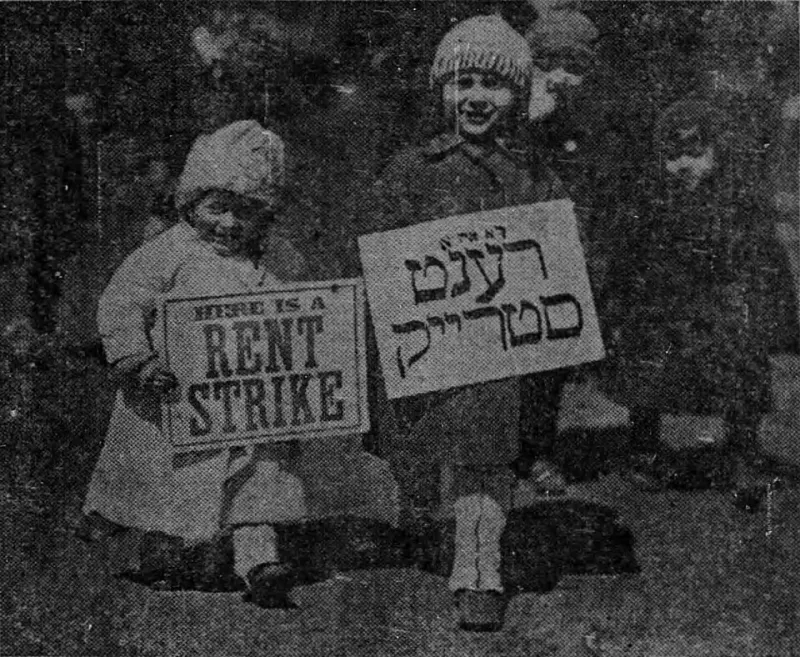
Photo: Unknown authorUnknown author, Public domain, via Wikimedia Commons
I've talked my way out of hundreds of dollars in fees, talked my internet bill down 30%, and talked a gym into canceling a membership they swore was 'contractually locked.' I say this not to brag, but to establish my credentials for the confession that follows:
I have never once successfully negotiated my rent down.
Not during a renewal. Not during a pandemic. Not when the unit next door sat vacant for two months. And after years of fighting this fight, I've come to a conclusion that most personal finance content won't tell you: with rent, that's usually the right outcome. The question isn't how to win — it's knowing when you've already lost.
Why Rent Refuses to Play by the Rules
Every tool in the premium biller's toolkit works on subscriptions and utilities for one reason: those companies have pricing flexibility baked into their business model. Your cable company would rather give you a $15 discount than lose a customer entirely, because the marginal cost of keeping you is nearly zero.
Rent doesn't work that way. Your landlord's "cost" is the property itself, and the market sets the price — not a retention department. When you call to negotiate, there's no script for the landlord to follow, no competitor's promo rate to cite. In many US rental markets, especially over the past few years, there's a line of applicants who'd take your unit at full price tomorrow.
There's also the leverage problem. With a subscription, threatening to cancel is a credible threat. With rent, your landlord knows that moving costs you thousands of dollars and a month of chaos. You're negotiating from inside a cage you built yourself.
The Exceptions Worth Knowing About
I said rent is the one bill you can't negotiate down. That's about 90% true. Here's the 10%:
Soft market renewals. If your local market has cooled — check comparable listings honestly, not Zillow estimates — landlords sometimes prefer a reliable tenant at a modest increase over the risk of vacancy. Frame it as a renewal conversation, not a negotiation: "I'd love to stay another year at a number that works for both of us." It fails constantly. But when it works, it's worth $50 to $100 a month.
Trade value, not dollars. You can't always lower the number, but you can sometimes change the deal. Offer a longer lease term, prepay a few months, or handle a lawn that the landlord currently pays someone else to mow. Landlords hate turnover more than they love maximum rent. Give them a reason to keep you at the number they want.
Fee negotiations. Pet rent, parking, storage add-ons, and late fee structures are far more negotiable than base rent. Nobody anchors to those numbers the way they do to the headline price.
So What Do You Do Instead?
If you can't lower the number, you lower the pressure it puts on the rest of your budget. Three tactics:
1. Make rent date work for you. Ask for a due date that lands right after your main paycheck clears, or set up a split deposit so rent money never touches your spending account. Rent is the bill I do autopay — the amount is fixed, the date is fixed, and there's no benefit to manual payment. Remove it from your mental load entirely.
2. Build your credit while you're at it. Rent is your biggest monthly payment and, historically, it's invisible to credit bureaus. Services like Bilt (for participating buildings) or rent-reporting services can turn that payment into credit history. You're paying the bill anyway — get the score benefit.
3. Squeeze everything else. This is where the toolkit actually works. If rent eats 35% of your take-home pay, every dollar you claw back from streaming, insurance, phone plans, and utilities matters twice as much. My rent negotiation attempts failed. My utility audit, my streaming cull, and my annual bill review day did not. Those covered the gap.
Knowing When It's Time to Go
Here's the uncomfortable part. Sometimes the right answer isn't a tactic — it's a U-Haul.
Run the math once a year: what would a comparable unit cost, including moving expenses (deposit, truck, time off work, utility setup fees)? If your rent has climbed far past market rate and your landlord won't budge, staying out of convenience has a price. Moving is expensive, but paying $300 extra a month is $3,600 a year. Most moves cost less than that.
I'm not saying move at the first increase. Moving has real costs, financial and otherwise. But rent deserves the same annual scrutiny you'd give any subscription: is this still the best deal available to me? The difference is that with rent, "canceling" means relocating your entire life. That's why the decision deserves more thought, not less.
Surrender Is a Strategy
We spend a lot of space on this site teaching you to fight every bill. That advice stands — for bills that can be fought. But part of mastering your money is triage: recognizing which battles are winnable and spending your energy there.
Rent is a mountain, not a molehill. Pay it on time, report it to the bureaus, protect the rest of your budget from it, and re-evaluate once a year whether the mountain is still worth climbing. Sometimes the savviest financial move isn't a better argument. It's accepting the price, optimizing around it, and knowing exactly what it would take to walk away.