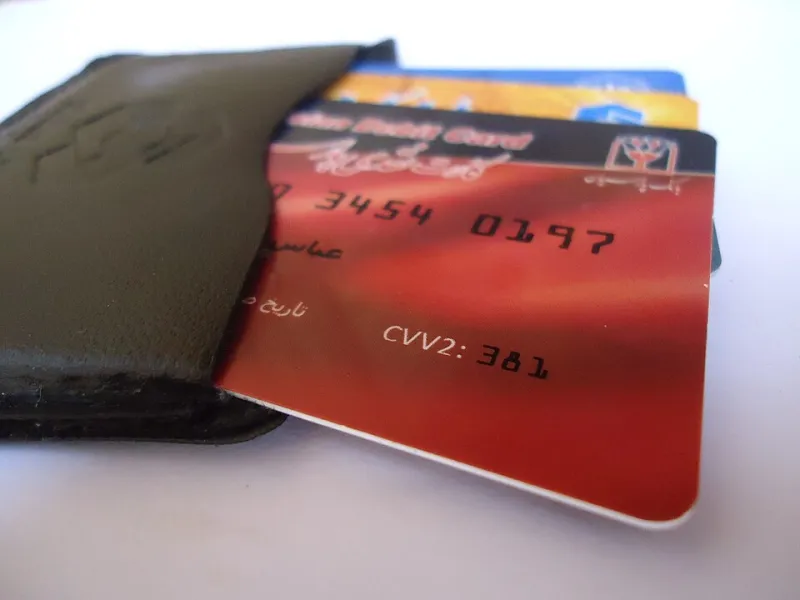
The Card That Bills You for the Privilege: A No-Phone-Call Annual Fee Audit

Photo: Mustang Joe, CC0, via Wikimedia Commons
Most subscriptions at least have the decency to show up in your app list. An annual fee doesn't. It sits on a credit card you opened for the sign-up bonus three years ago, renews silently on a random Tuesday, and posts as a single line item you'll skim past while looking for something else.
If the idea of calling a bank makes your jaw tighten, good news: most of this audit happens on paper. The phone call is optional, and I've included scripts for the one part where it helps.
Step one: Inventory every card, not just the fee cards
Open your last two statements for every card you hold — checking the mail is easier than remembering. Build a list with four columns:
- Card name and last four digits
- Annual fee amount
- Renewal month (it's on your cardmember agreement, and usually in the app under "account details")
- The perk you tell yourself justifies it
That last column is where the honesty happens. "Travel" is not a perk. "$300 annual travel credit I've used twice" is a perk.
Once the list exists, sort it by renewal month. You now have a calendar of small, predictable hits instead of a series of ambushes.
Step two: Get ahead of the renewal date
Issuers generally bill the fee on your statement close date in the anniversary month, and most give you a window — often 30 days from the statement — to cancel or downgrade and get it reversed. That window is the entire reason this audit is worth doing in November rather than in a panic in July.
Set a reminder 45 days before each renewal month. Not the month itself — 45 days out, so you have time to use a credit you've been sitting on, move recurring charges to another card, or make a decision without a deadline pressing on your neck.
Step three: The break-even worksheet
Here's the only math that matters. For each fee card, list what you actually redeemed in the past 12 months — not what was available.
| Line item | Example card |
|---|---|
| Annual fee | $95 |
| Credits actually used | $60 |
| Points/miles value redeemed (be conservative) | $40 |
| Lounge visits or other perks actually used | $0 |
| Insurance or purchase protection you'd have bought anyway | $0 |
| Net | +$5 |
Two rules keep this honest. First, value points at what you'd pay in cash for the same thing, not at the inflated number on the redemption page. Second, if you wouldn't buy the perk with your own money, it's worth zero in the worksheet — a $15 monthly food credit you use only because it exists is not $180 of value, it's $180 of spending you wouldn't otherwise do.
Negative net? That card is a subscription you're paying to keep.
Step four: Pick your exit — downgrade beats cancel more often than people think
Before you cancel anything, check whether the issuer offers a product change — moving to a no-fee card in the same family without a new application and without the hit to your credit history's length of account. Most major US issuers have one. You give up the premium perks, you keep the account age, and the fee disappears. This is the quietest possible fix and it requires zero conversation if you're comfortable using the app's chat feature.
Cancel outright only when there's no no-fee sibling, or when you genuinely don't want the account. Keep in mind that closing a card reduces your total available credit, which can nudge your credit utilization up even if you haven't spent a dollar.
The part where you call
Sometimes the fee is worth keeping and the issuer will meet you halfway. Retention offers exist, they're budgeted for, and asking costs you about six minutes. Call the number on the back of the card, get to the accounts line, and say:
"Hi, I'm reviewing my cards before the annual fee renews. I like the card, but I'm not sure I'm getting $95 of value out of it this year. Is there a retention offer or a fee credit available on my account?"
If they say no, ask one follow-up: "Is there a lower-tier version of this card I could move to without a new application?" Then decide. Don't threaten to close the account unless you're prepared to actually do it — the bluff works less often than the internet claims, and it's a lousy way to spend a Tuesday.
What this audit is really for
The point isn't to cancel everything. It's to make sure the number of fee cards you hold is a decision rather than an accumulation. Two cards with real, documented value are fine. Five cards coasting on the memory of a good sign-up bonus are just another bill wearing a nicer name.
Run the inventory once a year, set the renewal reminders, and the whole thing becomes fifteen minutes instead of a slow leak.