Five Bills, One Paycheck: Why Your Subscriptions All Land on the Same Day (and How to Break Up the Pile)
Every month, somewhere in America, someone opens their banking app on the 3rd, sees a wall of red, and mutters the same thing: I forgot all of these hit at once.
It's not bad luck. It's billing clusters — the accidental pileup of subscription renewals that all land within the same few days. And if you've ever overdrafted on a Tuesday because Spotify, Netflix, iCloud, and your gym app all decided to charge you between the 1st and the 5th, you already know the problem. You just may not know how fixable it is.
The Pileup Nobody Planned
Here's how it happens. You sign up for a streaming service in January, a music app in February, a meal kit in March. Each one grabs your card without incident. Fast forward a year, and you've unknowingly built a schedule where the first week of every month drains $180 or more — right after rent, right when the account is thinnest.
The math gets ugly fast. A $15 charge here and a $12 charge there feels invisible in isolation. Stack five of them on one day, and suddenly you're staring at a $75 hit you didn't budget for, plus a $34 overdraft fee if the timing's wrong. That's more than a hundred dollars of damage from charges you'd have barely noticed spread across the month.
Map Your Billing Clusters
Before you can fix the pileup, you have to see it. Grab a piece of paper or a spreadsheet and do three things:
- Pull up your last two bank and credit card statements. Two months matters — some subscriptions bill quarterly or annually, and you want to catch the sneaky ones.
- List every recurring charge with its billing date and amount. Yes, all of them. The $2.99 cloud storage counts.
- Group them by week. Week one, week two, and so on.
Most people who do this discover one of two things: either they have a monster cluster (usually the first week of the month), or they're paying for the same thing twice. Sometimes both.
The Redundancy Problem: Three Music Apps Is Two Too Many
The cluster map has a way of exposing overlaps you forgot existed. The classics:
- Music: Spotify and YouTube Music and Pandora Premium. Pick one. They all stream the same 100 million songs.
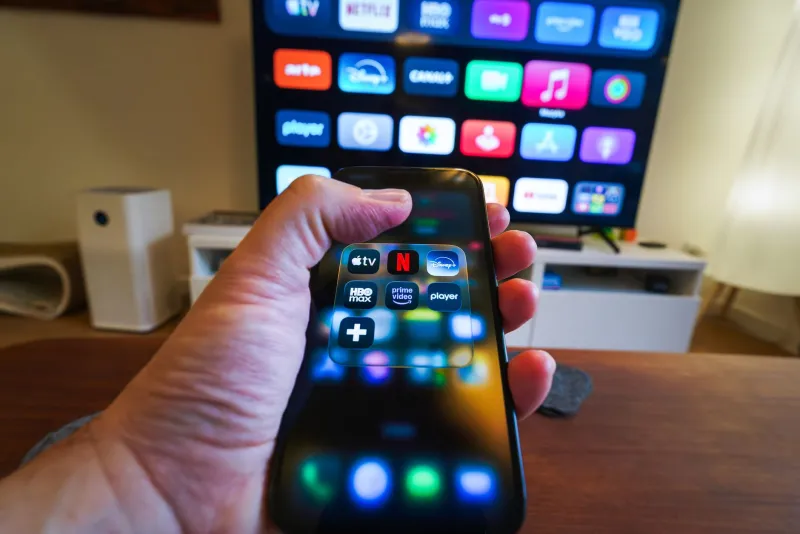
- Streaming video: Netflix, Hulu, Max, and Disney+ when you're actively watching none of them.
- Cloud storage: Paying Google One and iCloud and Dropbox for the same photos.
- Meal kits and grocery apps that overlap with each other and, honestly, with your actual grocery store.
A good rule: if you haven't opened it in 30 days, it's not a subscription — it's a donation. Cancel it, and if you genuinely miss it, resubscribe later. The services will happily take you back.
Stagger Your Renewal Dates Like a Pro
Once you've trimmed the duplicates, spread out what's left. The goal is to never have more than two or three significant charges hitting in the same week.
Most services make this easy, even if they don't advertise it:
- Cancel and resubscribe. The blunt-force method. Cancel Netflix on the 3rd, resubscribe on the 18th, and your billing date moves with you. You'll usually keep your profile and watch history.
- Ask support to change your billing date. Many companies — especially phone, internet, and insurance — will shift your due date for the asking. One email or chat message.
- Time sign-ups deliberately going forward. When you start a new service, pick a week that's light. New subscription on the 20th? Great, it bills on the 20th forever.
A simple way to think about it: anchor your biggest fixed bills (rent, utilities, insurance) first, then slot subscriptions into the gaps. If rent clears on the 1st, put your fun subscriptions mid-month when your account has recovered.
Keep the Map Alive
The cluster map isn't a one-and-done exercise. Subscription creep is a slow leak — a new trial here, a price hike there. Set a recurring calendar reminder every six months to redo the audit. Fifteen minutes, twice a year.
Your bills will always add up. But they don't have to add up all at once. Break up the pile, and your bank account stops feeling like a slot machine on the first of the month.