From $35 to $85: How Streaming Quietly Became Cable's Twin
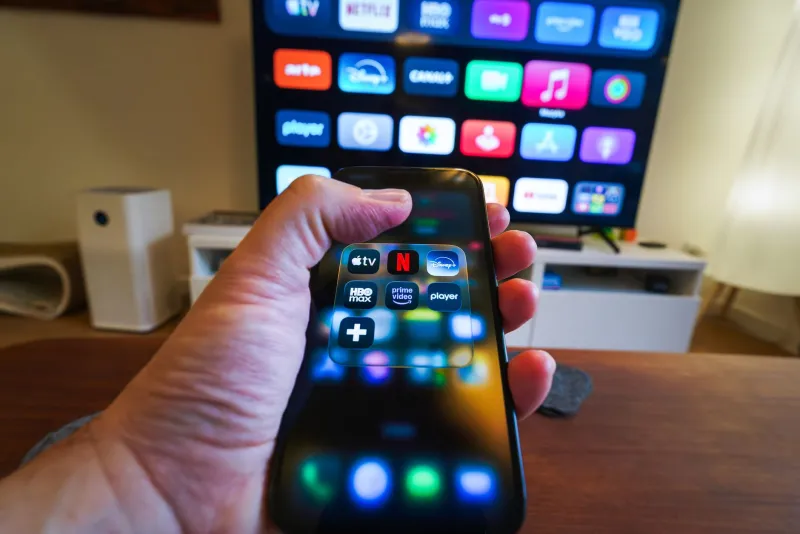
Remember the pitch? "Cut the cord, pay $10 a month, watch what you want." It was true — in 2015. Fast forward to today, and the average American household is spending somewhere north of $80 a month across streaming services, with heavy users clearing $120 or more. Cable, for the record, averaged around $80–$100 back when everyone canceled it in protest.
Congratulations, cord-cutters. We rebuilt the thing we left.
This isn't one villain monologue from a single streaming service. It's a coordinated drift — a little price hike here, an upsell there, a new "tier" nobody asked for. Let's break down exactly how it happened, then get practical about fixing it.
The Four Ways Your Bill Grew
1. The slow price creep. Netflix's standard plan was $12.99 in 2019. Today it's around $17.99 — and that's before you factor in that the $7.99 base plan of 2019 is simply gone. Multiply that pattern across Netflix, Disney+, Hulu, Max, and Paramount+, and you're looking at 40–60% increases across the board in about five years. Each hike was small. Each one came with a justification. Together, they compound.
2. The ad-tier shuffle. Here's the sneakiest move in the playbook: raise the ad-free price, then market the ad-supported tier as the "affordable" option. You're now paying $10 a month to watch commercials — something broadcast television did for free. Some services even charge more for ad-free viewing than cable-adjacent competitors charge for their full package.
3. Password crackdown fees. When Netflix introduced its paid sharing policy in 2023, the "extra member" fee was framed as fairness. What it actually did was convert a free household account into two paid ones. Other platforms followed with their own versions. Your roommate, your sibling, your college kid — everyone's device is now a line item.
4. Add-on stacking. Live sports packages, premium channel add-ons, 4K upgrades, offline downloads behind paywalls. Each one is $3–$15, and each one is designed to feel too small to cancel. Stack four of them and you've added a car payment's worth of annual spend — okay, half a car payment, but you get the idea.
2019 vs. Today: The Receipts
Let's do the math on a fairly typical household:
| Service type | 2019 | Today |
|---|---|---|
| Netflix (standard) | $12.99 | $17.99 |
| Disney+ / Hulu combo | $12.99 | $19.99+ |
| Max (then HBO Now) | $14.99 | $16.99 |
| Sports add-on | — | $10.99 |
| Music streaming | $9.99 | $10.99 |
| Monthly total | ~$51 | ~$77+ |
That's a 50%+ increase for the same couch, same remote, arguably worse content libraries as services fragment their catalogs. And if you've added a live TV package to catch games? You're at cable prices, full stop.
The Subscription Audit: Keep, Rotate, Cancel
Here's the checklist I run every quarter. Fifteen minutes, three buckets.
Step 1: List every streaming charge. Check bank and card statements for the last 90 days — services you forgot about love hiding in there, especially annual-billed ones.
Step 2: Sort into three buckets:
- Keep: Services you used weekly over the past month. Be honest — "I might watch it" doesn't count.
- Rotate: Services with finished catalogs. Cancel now, resubscribe when the new season drops. This is the single biggest savings lever most households ignore. Binge the season in a month, cancel, move on.
- Cancel: Anything unused in 30 days, duplicate services (do you really need two music apps?), and add-ons you can't name the last thing you watched on.
Step 3: Check the bundle math. Before canceling everything, see whether a bundle (Hulu + Disney+ + ESPN+, for example) prices out cheaper than your keep-list separately. Sometimes consolidation genuinely saves money — just don't let the bundle become an excuse to keep services you don't watch.
Step 4: Set a recurring calendar reminder. Quarterly, 15 minutes. That's the whole maintenance plan.
The Mindset Shift
Streaming services want you to treat subscriptions like utilities — always on, never questioned. Treat them like gym memberships instead: pay for them when you're using them, pause when you're not. There's no loyalty discount for keeping Netflix for six straight months while you binge nothing.
The streaming bill didn't double overnight. It doubled through a hundred small decisions you weren't invited to make. The audit is how you take the pen back.