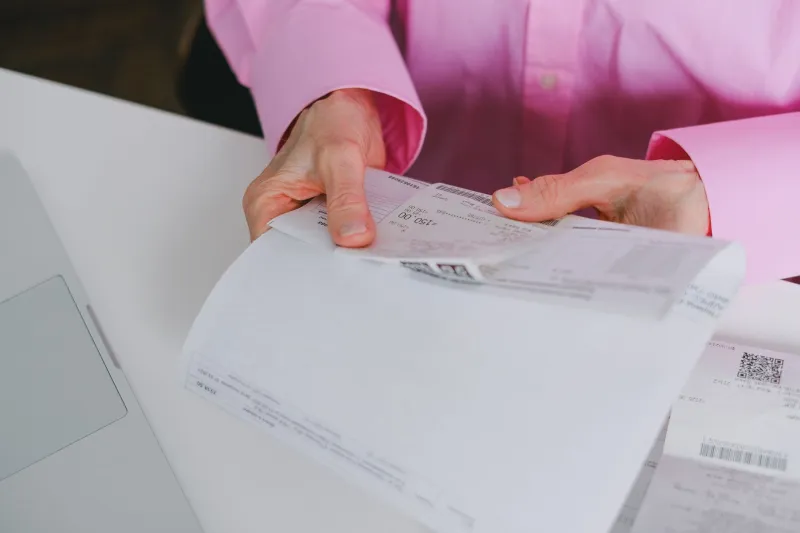
Budget Billing Is a Loan From Your Future Utility Bill

Photo: thetejon on Flickr (Original version) UCinternational (Crop), CC BY-SA 2.0, via Wikimedia Commons
Budget billing sounds like a gift. Your utility averages your past usage, divides it into a flat monthly payment, and suddenly January does not hurt as much. Then the settlement month arrives. The utility recalculates, finds a deferred balance, and sends a bill that feels like a betrayal. It is not a scam. It is the part of the plan nobody puts in the headline.
How budget billing actually works
Utilities call it budget billing, levelized billing, or average monthly billing. The mechanics vary, but the idea is the same. The utility estimates your annual usage from the past 12 months, adds a cushion for rate changes, and divides by 11 or 12. You pay that flat amount each month. Every six or 12 months, the utility compares what you actually used with what you paid. That reconciliation is the settlement or true-up. If you underpaid, you owe the difference. If you overpaid, you get a credit. Some utilities roll the balance forward. Others require payment.
The settlement month is the tell
Imagine a plan at $150 per month. Over 12 months you pay $1,800. Your actual usage at current rates is $2,100. The true-up is $300. That is not a fee for the plan. It is the gap between the estimate and reality. If rates rose during the year or you ran the AC more than usual, the gap gets bigger. A $300 hit is annoying. A $700 hit is a budget problem. The plan did not create the usage. It just hid it until settlement.
The quiet risk: it hides rising usage
A flat payment masks the seasonal spikes. You do not see the August air conditioning bill or the January heating bill in real time. You see the same $150. That can be a comfort, or it can be a blindfold. If your usage climbs because a roommate moves in, an appliance starts failing, or rates go up, the plan keeps charging the old average. The settlement month is when you find out. By then, the money is already spent.
Read the settlement language before you enroll
Ask the utility for the budget billing terms in writing. Look for words like settlement, true-up, deferred balance, recalculation, and rollover. Find out whether the plan recalculates every six months or every 12. Ask whether a debit balance must be paid immediately or can be spread over future months. Ask what happens if you move or close the account. A plan that lets you roll a balance forward is very different from one that demands a lump sum in March.
When budget billing helps
It helps if your income is fixed and a seasonal spike would wreck your month. It helps if you have a cushion and can handle a true-up without borrowing. It helps if your usage is stable and rates are not jumping. For some households, the predictability is worth the settlement risk. The key is knowing the risk exists.
When a DIY flat payment is safer
If your usage is changing, if you are moving soon, or if the utility has a large deferred balance, a do-it-yourself flat payment may be safer. Here is how it works. Pull your last 12 months of usage and rates. Multiply your annual usage by the current rate. Divide by 12. Add a 10% cushion. Set that amount aside in a savings account each month. Pay the actual utility bill from that account. You still get a smooth budget, but you keep the money and the visibility. If the actual bill comes in lower, you keep the difference. If it comes in higher, you adjust the set-aside next quarter.
Questions to ask the utility
What is my current deferred balance? When is my next settlement? Will the balance roll forward or be due immediately? How often do you recalculate the payment? What happens if I move? Is there a fee to leave budget billing? Can I switch back to actual billing at any time? Get the answers before you sign up, not after the true-up.
Bottom line
Budget billing is a loan from your future utility bill. Sometimes that loan is worth it. Sometimes you are better off smoothing the bill yourself. Read the settlement language, watch your usage, and keep a cushion. A flat payment is only relief if you know what happens when the flat part ends.