The Last Bill Shouldn't Be the First Collection Notice

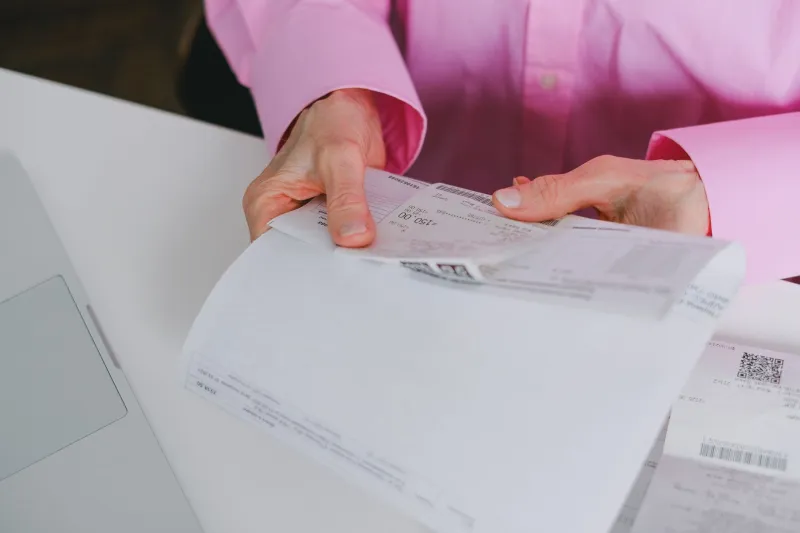
Photo: final utility bill and account closing paperwork on a desk with calculator, via images-wixmp-ed30a86b8c4ca887773594c2.wixmp.com
The clean exit that isn't
Closing an account feels like the end of a relationship. You give notice, return the equipment, pay the last bill, and expect a final statement. In practice, account closing can be messier. A utility may send a final bill and then a corrected final bill. A phone company may keep billing a line you canceled. An insurer may refund a deposit to an old address. Then a collections notice shows up months later, and you are left proving that you already closed the account.
The account-closing collections shuffle is not usually a conspiracy. It is a chain of handoffs: customer service, billing, collections, and a third-party agency. Each handoff can create a duplicate balance or a phantom charge. Your job is to create a paper trail that follows the account out the door. In 2026, that means written confirmation, not just a pleasant phone call.
Get the final bill in writing
When you close a utility, phone, insurance, or internet account, ask for the final bill in writing. That can mean an email, a PDF in your online account, or a mailed statement. The key is that it shows the account number, the service address, the closing date, and the amount due. If the representative says the final bill will come later, ask when and how. Then note the date.
Send a short confirmation email after the call. Keep it simple: 'I closed account [number] on [date]. Please confirm the final bill amount, the due date, and where any deposit refund will be sent.' This email becomes your anchor. If a later charge appears, you can point to the closing date and the final bill. If the company says it never received your cancellation, your email shows otherwise.
Dispute the zombie charges
The most common closing problem is a charge that should have stopped. Maybe it is a monthly service fee after the closing date. Maybe it is a late fee on a bill you never received. Maybe it is an equipment charge for gear you returned. Do not ignore it. A small balance can grow into a collections file.
Start with the billing department, not the collections agency. Send a written dispute that includes the account number, the closing date, the charge you are disputing, and the reason. Attach the final bill and the cancellation confirmation. Ask them to correct the balance and send a revised final statement. If they agree, get it in writing. If they do not, ask for the address of their dispute department and escalate. For phone or utility accounts, a state regulator or public utility commission may be an option if the company will not budge. For insurance, your state insurance department can sometimes help.
Chase the deposit
Deposits are easy to forget because they are not a bill. They are money you already paid. When you close an account, ask specifically: is there a deposit refund coming, how much is it, and when will it be sent? Get the answer in writing. If the refund is going to an old address, update it before the check is cut. If the company says the deposit was applied to a final balance, ask for the math.
If the refund never arrives, follow up in writing. Keep the timeline. A deposit refund that is a few weeks late is annoying. A deposit refund that is six months late is a reason to escalate. You can mention your state's consumer protection office or the appropriate regulator if the company keeps stalling.
Keep a closed account from reopening as a collections file
The collections risk often comes from a balance the company thinks you still owe. To reduce that risk, do three things. First, keep your closing documents together: cancellation confirmation, final bill, payment receipt, equipment return receipt, and any refund correspondence. Second, pay the final bill promptly if it is correct, and keep proof of payment. Third, if you move, make sure the company has your new address before the final bill is generated.
If a collections notice arrives, do not panic and do not pay immediately. Request validation of the debt in writing within 30 days. Ask for the original account number, the date of the final bill, and an itemized breakdown. If the debt is wrong, dispute it with the collector and the original company. If it is right, negotiate a payment plan or ask for a deletion agreement in exchange for payment. Get any agreement in writing before you pay.
The closing script
Here is a script you can use at the end of a cancellation call: 'Please confirm in writing that account [number] is closed as of [date]. I want the final bill sent to [email or address], a breakdown of any deposit refund, and confirmation that no further charges will be billed. Please also give me a confirmation number for this request.' Write down the date, time, and representative's name. Then send a follow-up email with the same request. That way, the account is closed in their system and in your records.